Coastal Crossroads: A Tour of History & Art
Coastal Crossroads is a self-guided tour that explores Santa Monica’s rich coastal landmarks, public art, cultural sites, and Black history in a multidisciplinary experience.
Santa Monica’s coastline has drawn folks from all over the world for centuries, seeking respite, a new life, a safe haven, a moment of joy, or a place to belong. Coastal Crossroads traces that history across 20 sites spanning public art, architecture, Black heritage, civic landmarks, and the natural landscape.
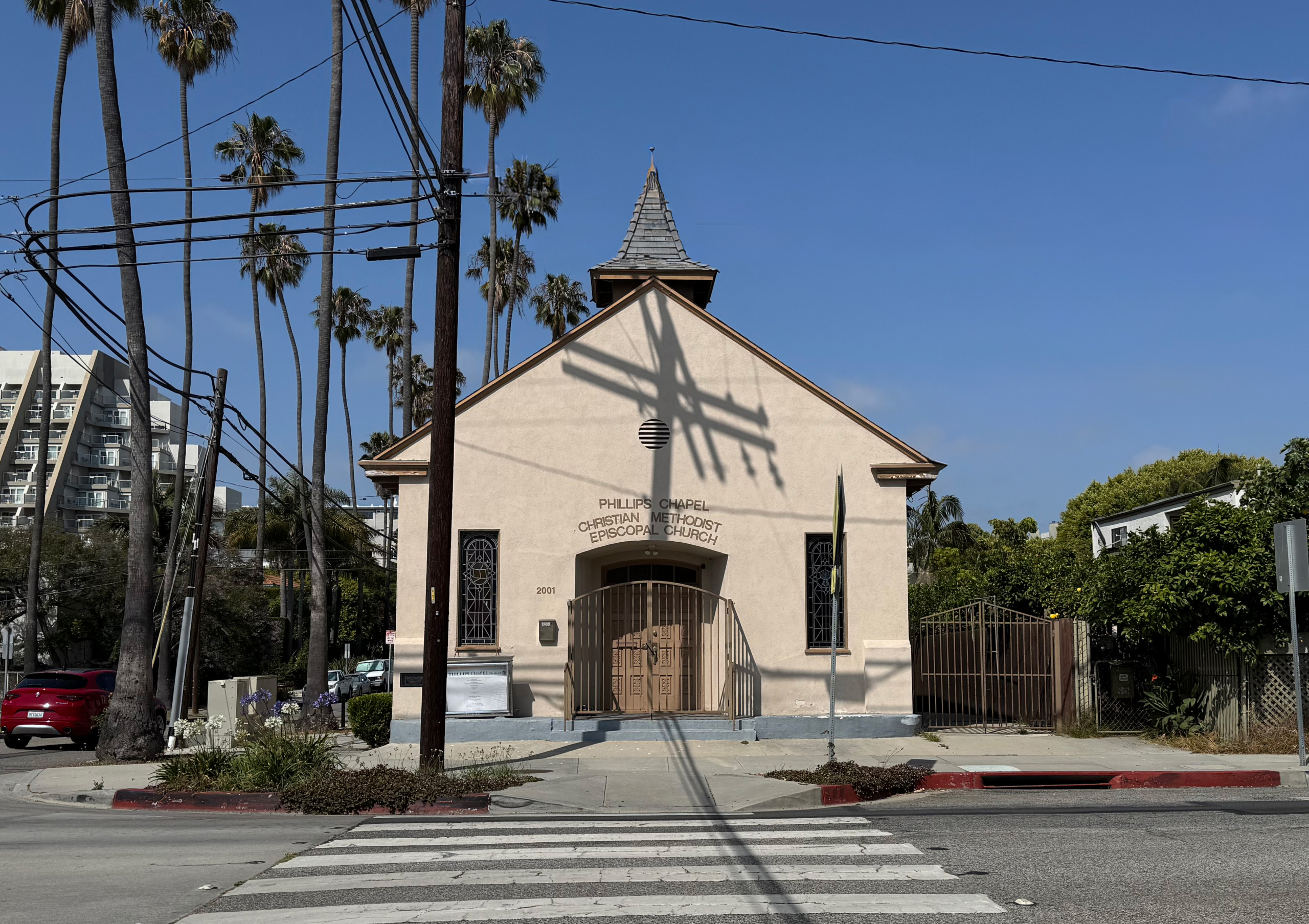
The tour begins at the Belmar History + Art installation, which commemorates the African American neighborhood that once stood on this site before it was destroyed and erased by urban renewal projects of the 1950s. Nearby, Phillips Chapel, Santa Monica’s first Black church, still serves the local community and descendants of those who thrived in the Belmar neighborhood. Cross historic Main Street, the heart of the Ocean Park neighborhood, and onward to Bay Street Beach where Black beachgoers established a refuge during an era of Jim Crow prejudice and discrimination.
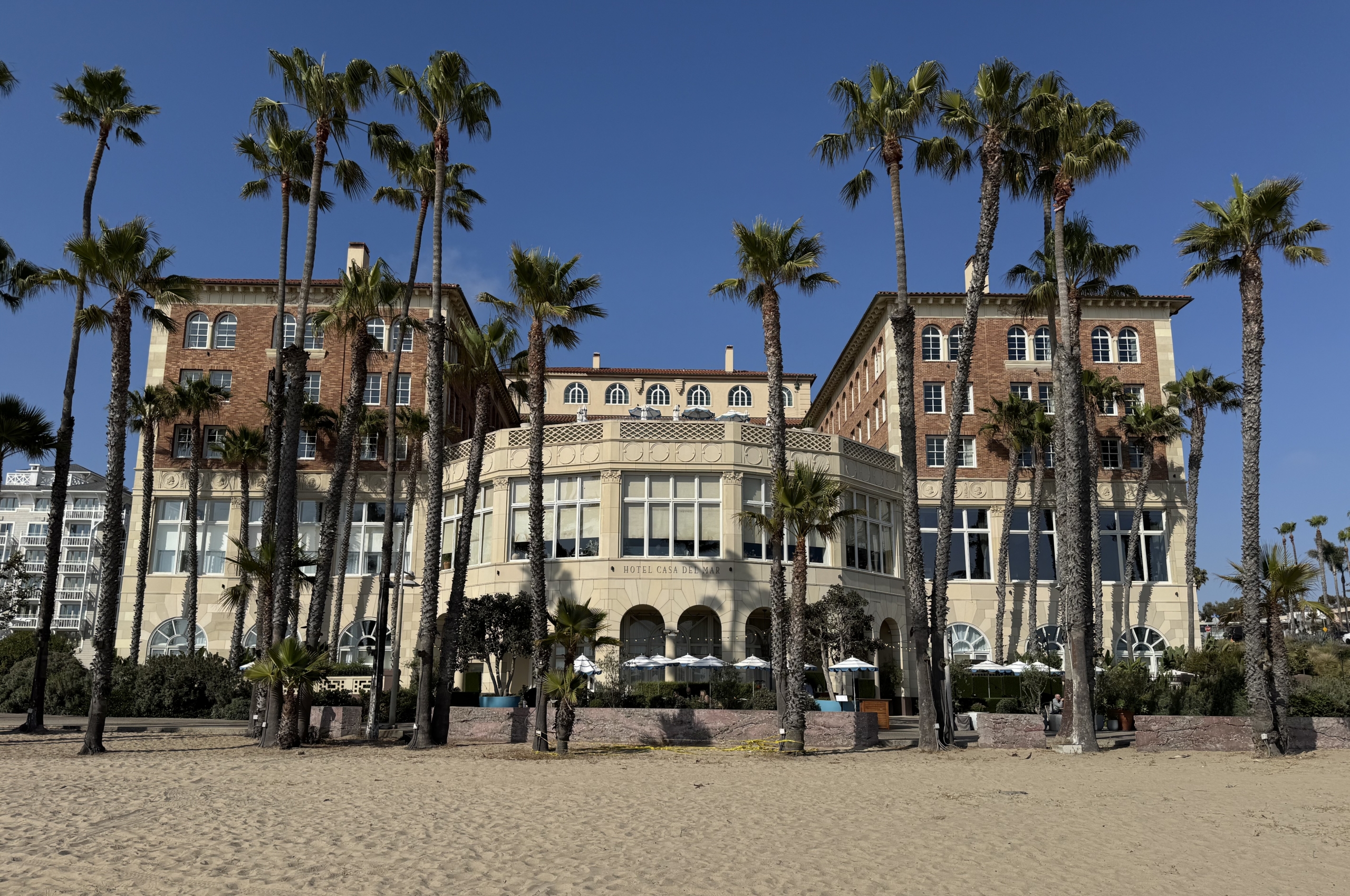
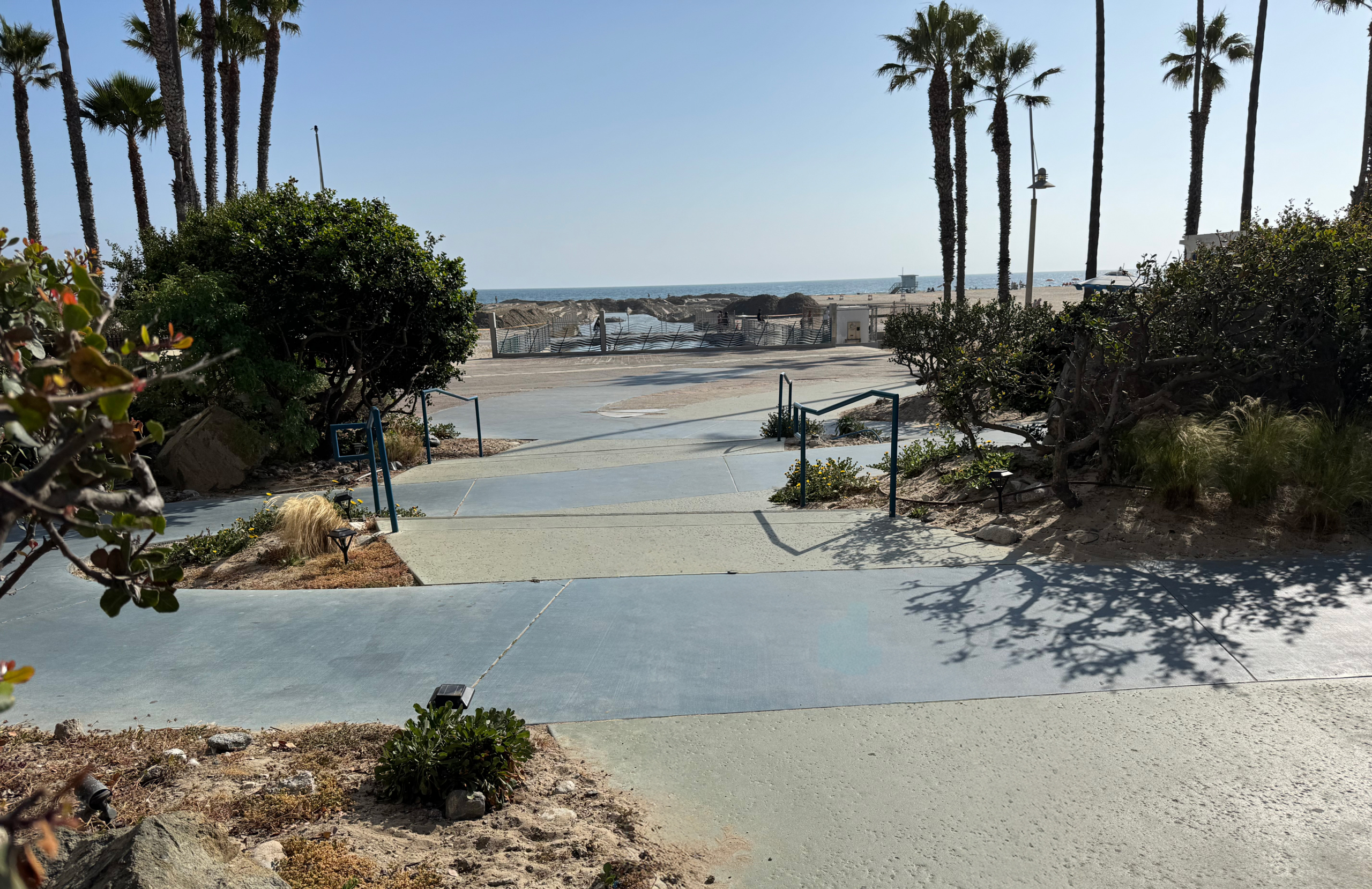
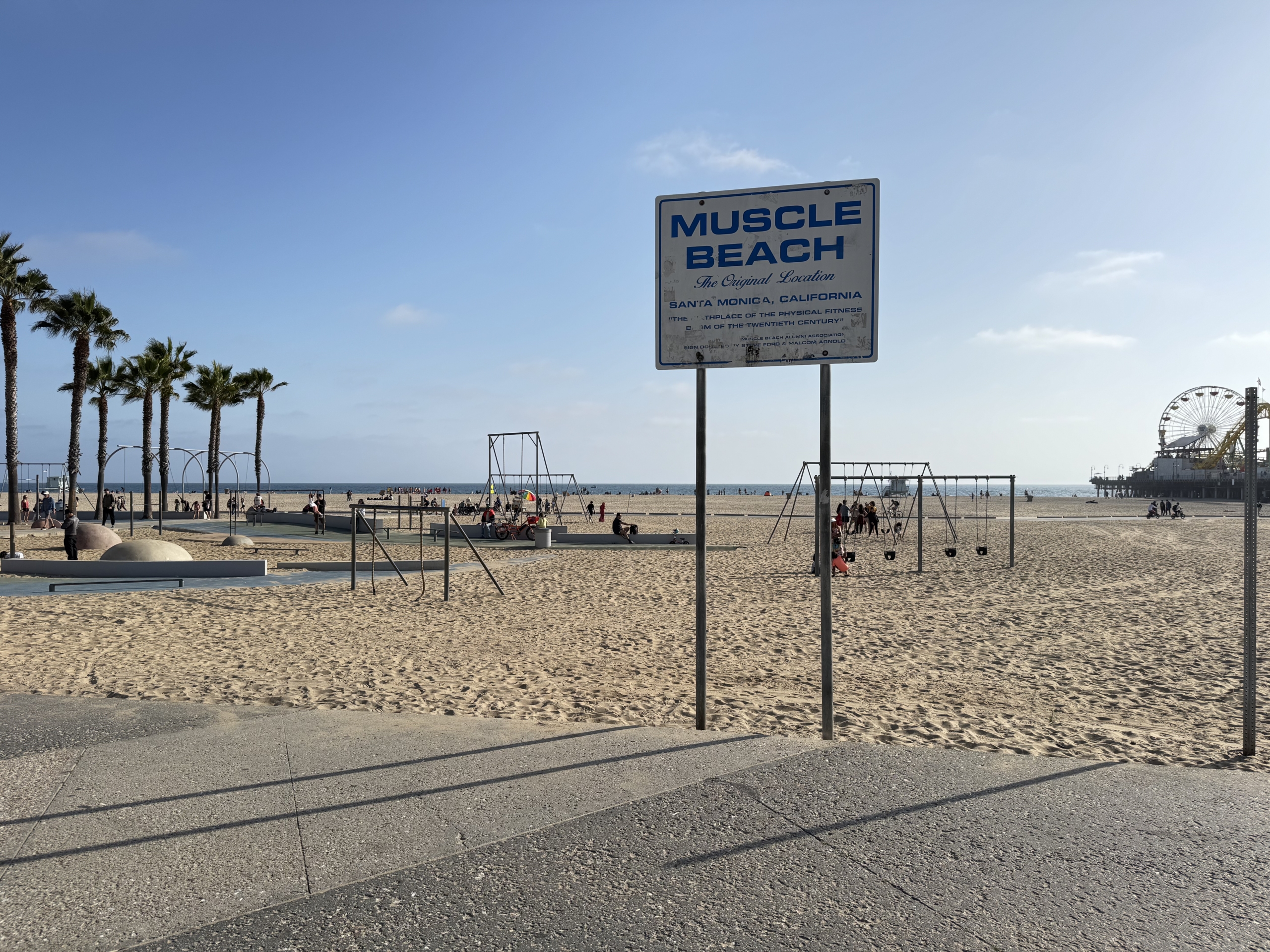
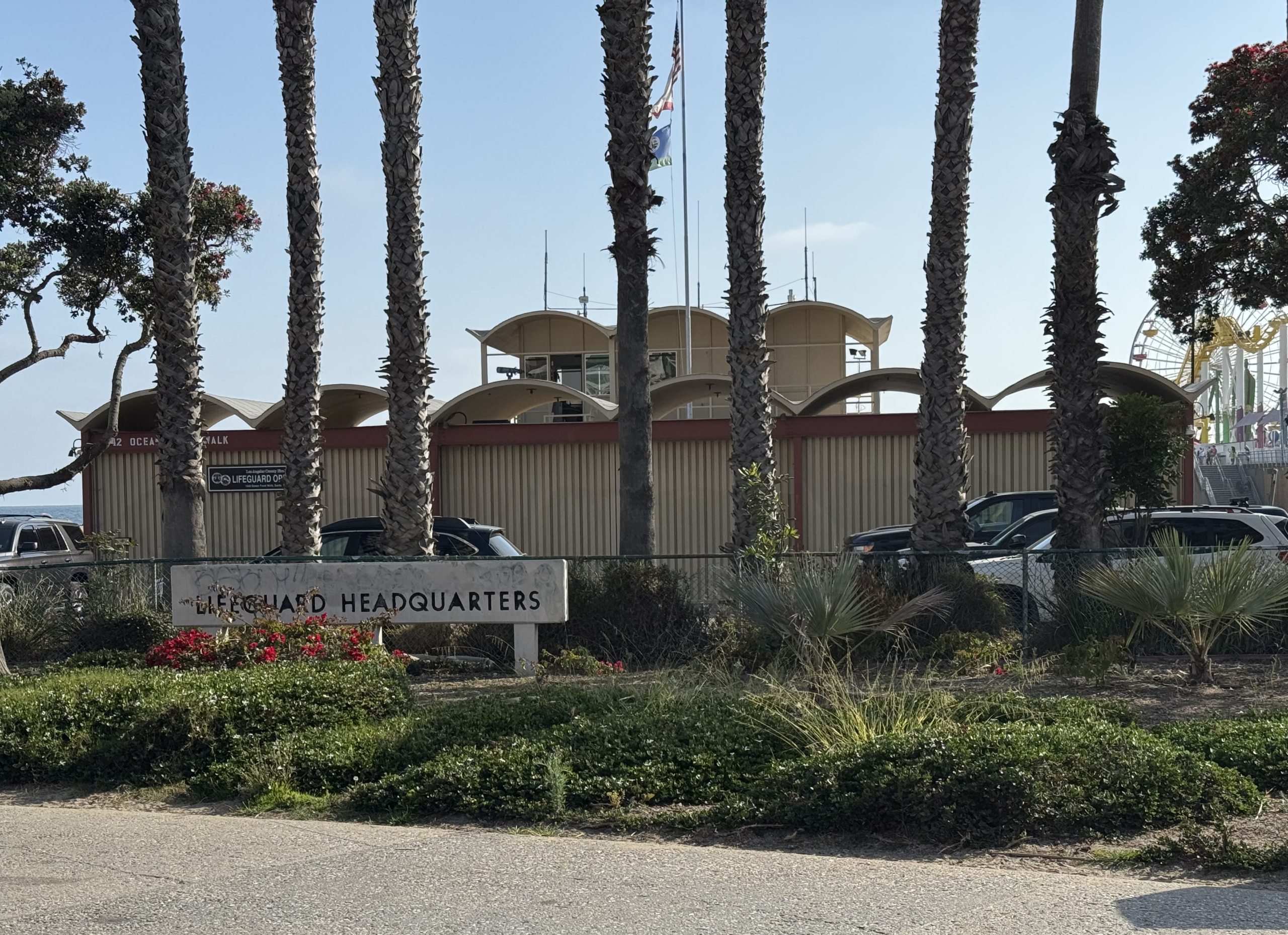
From there, the route follows the shoreline past the iconic 1920s Casa Del Mar Hotel and a fascinating public art piece embedded in the boardwalk called California Wash on the way to Muscle Beach, the origin of California fitness culture. Pass the lifeguard headquarters where beach volleyball was born, and the Purser Apartments to reach the world-famous Santa Monica Pier and take a spin on the carousel in the Looff Hippodrome.
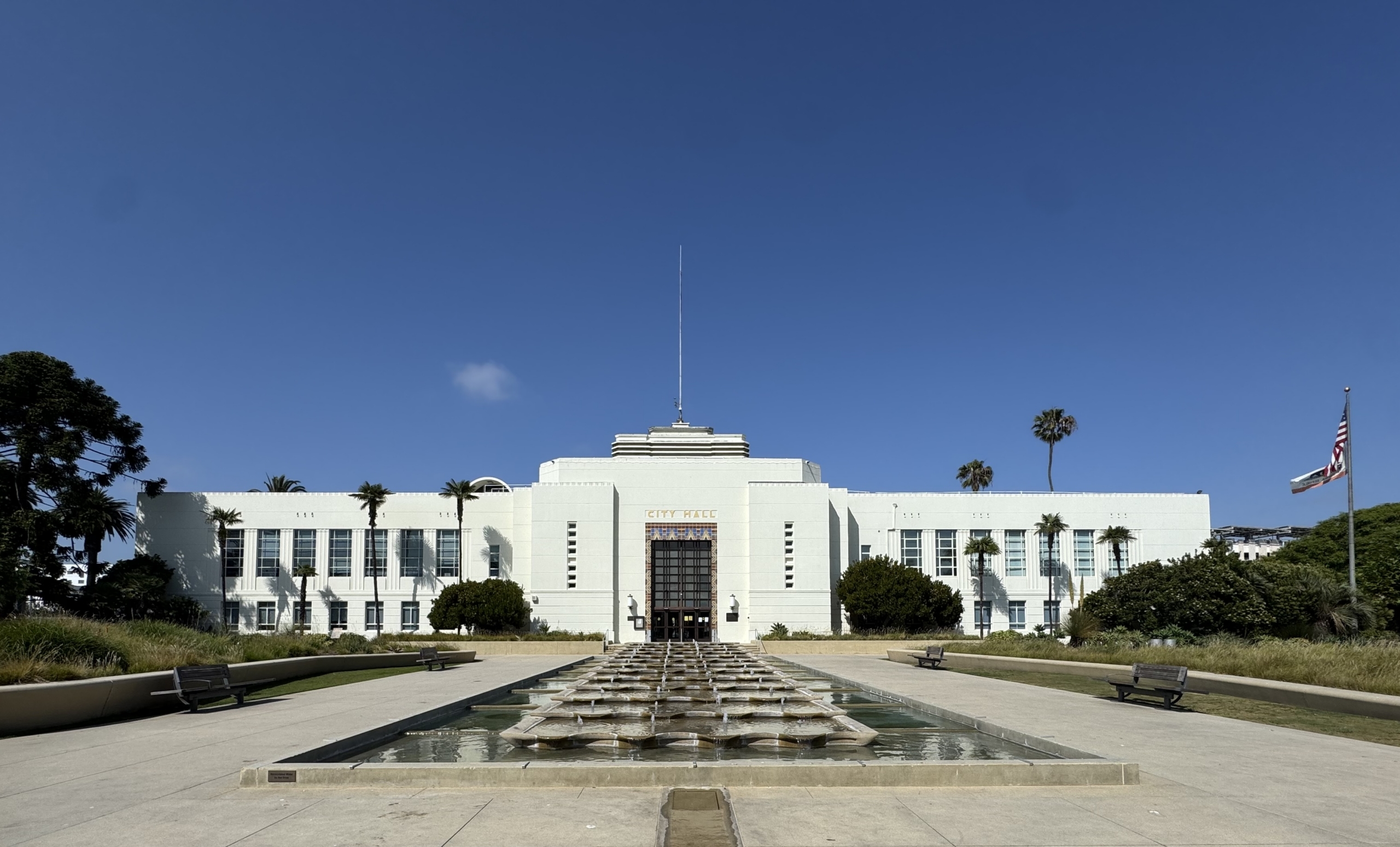
Finally, turn inland through Tongva Park towards Santa Monica City Hall to discover its Works Progress Administration (WPA) roots, including the Stanton McDonald Wright murals in the lobby that tell the story of the bay region. The tour concludes at the Santa Monica Civic Auditorium, a Midcentury Modern masterpiece designed in 1958 by renowned architect Welton Becket, that hosted the first televised-in-color Academy Awards in 1966.
How to Do the Tour
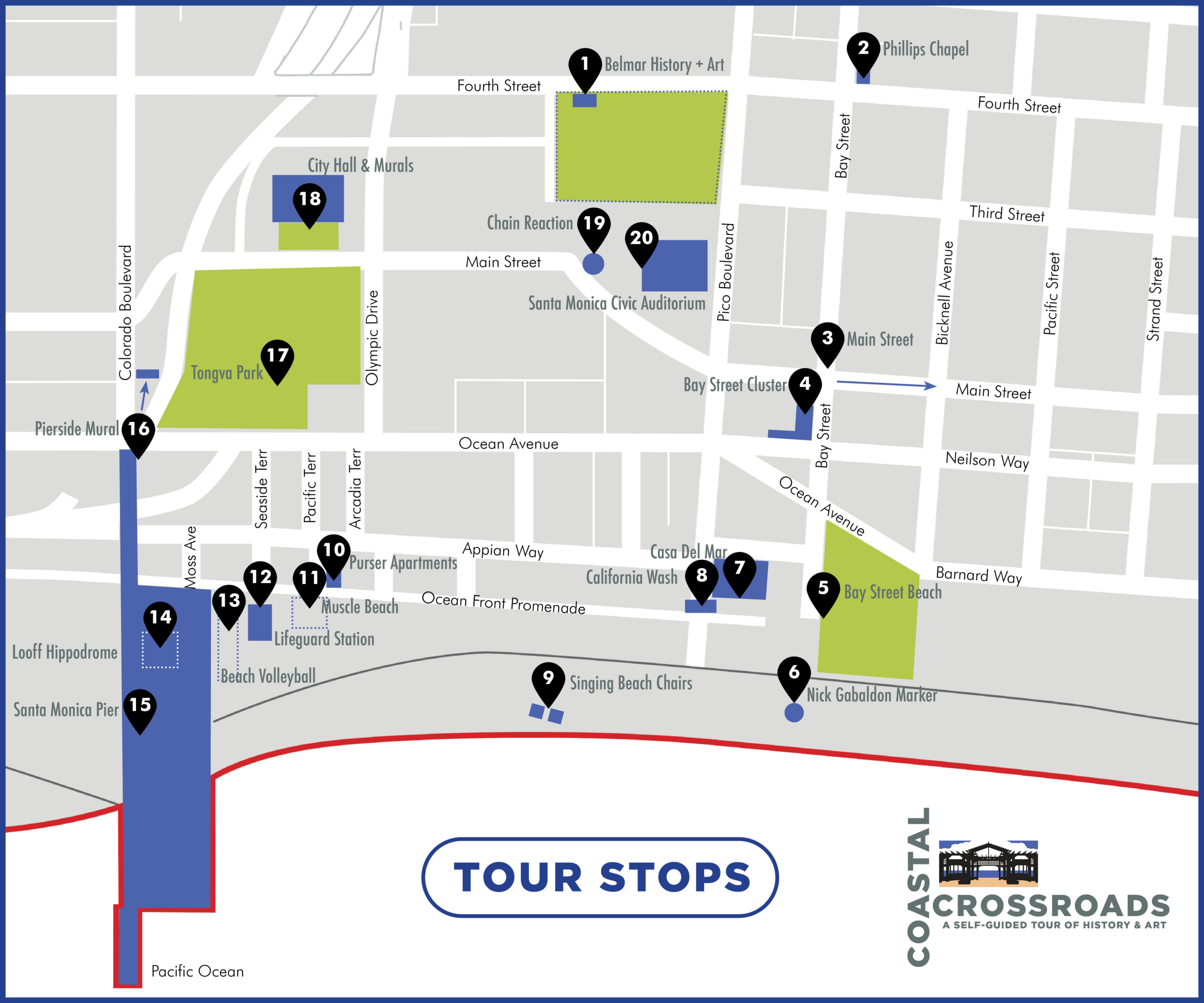
The Coastal Crossroads tour is a loop that begins and ends at Fourth Street and Michigan Avenue (between Olympic and Pico). The first stop is one block south of the Downtown Santa Monica Station of the Metro (E) line. Public Parking is available at the Civic Garage just north of the first stop, accessed via an alley west of Fourth Street called Avenida Mazatlán. The tour is long, so plan to spend the whole afternoon or break it up over several visits.
Navigate to this webpage on your smartphone. (Pro Tip: Make sure your smart phone is fully charged before you go.) When you’re ready to begin, tap the “Get Directions” button for your first stop to map your route. Once you arrive, return to this page and tap the “Get More Information” button to learn about your location. Then move on to the next stop and repeat!
Coastal Crossroads Tour Stops
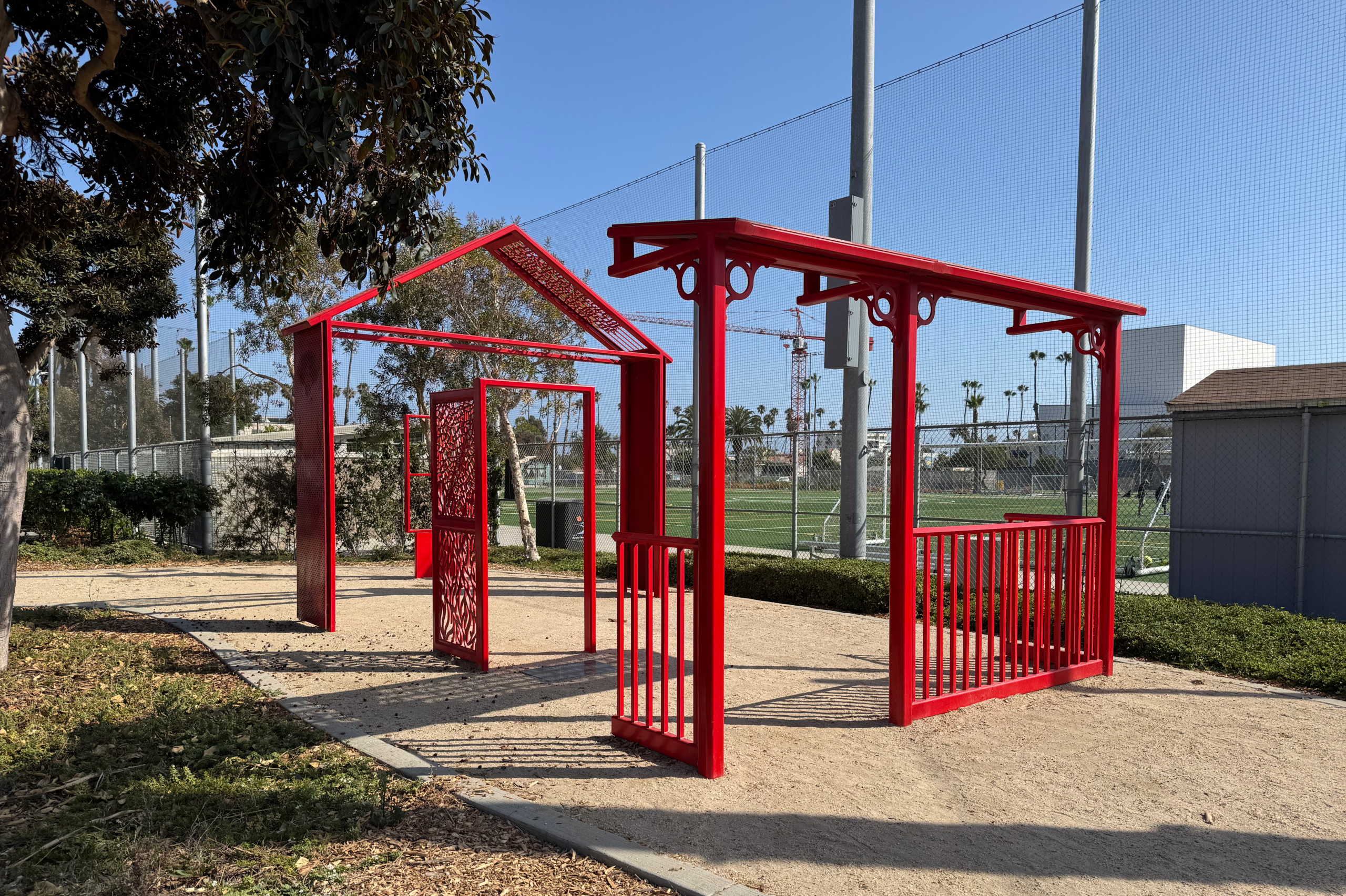
The tour begins at the corner of Fourth Street and Michigan Avenue in front of the first interpretive history sign, which is adjacent to the public artwork, “A Resurrection in Four Stanzas.” The informational signage continues all the way around the sports field.
Phillips Chapel is at 2001 Fourth Street at the corner of Bay Street.
The Main Street commercial area is south of this stop. We encourage a wander down Main Street before resuming the tour.
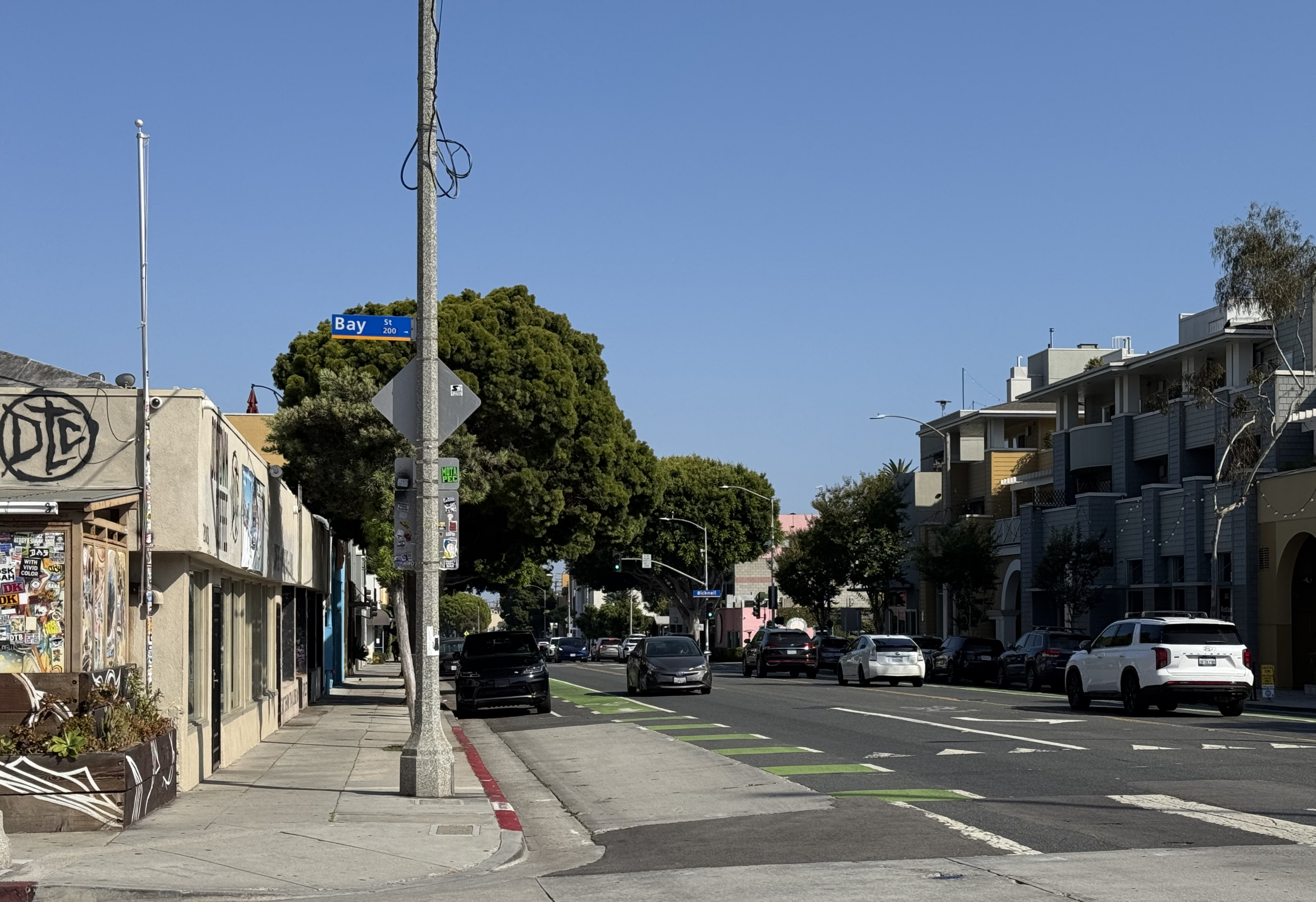
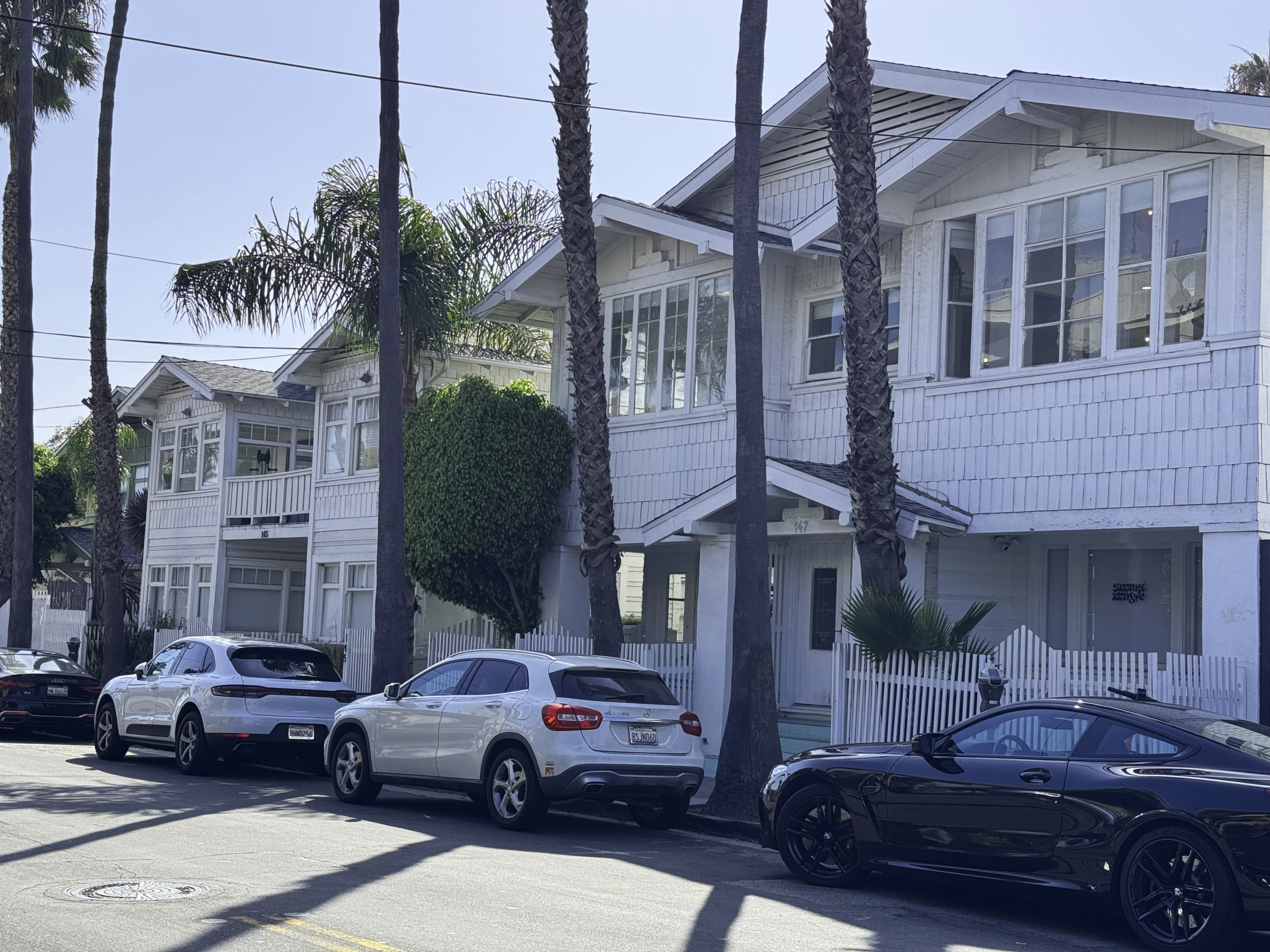
The Bay Street Cluster is at 137-145 Bay Street. Interesting views of the buildings can be had from across Bay Street to take in the whole cluster, and don’t forget to take a peek at the Neilson Way elevation.
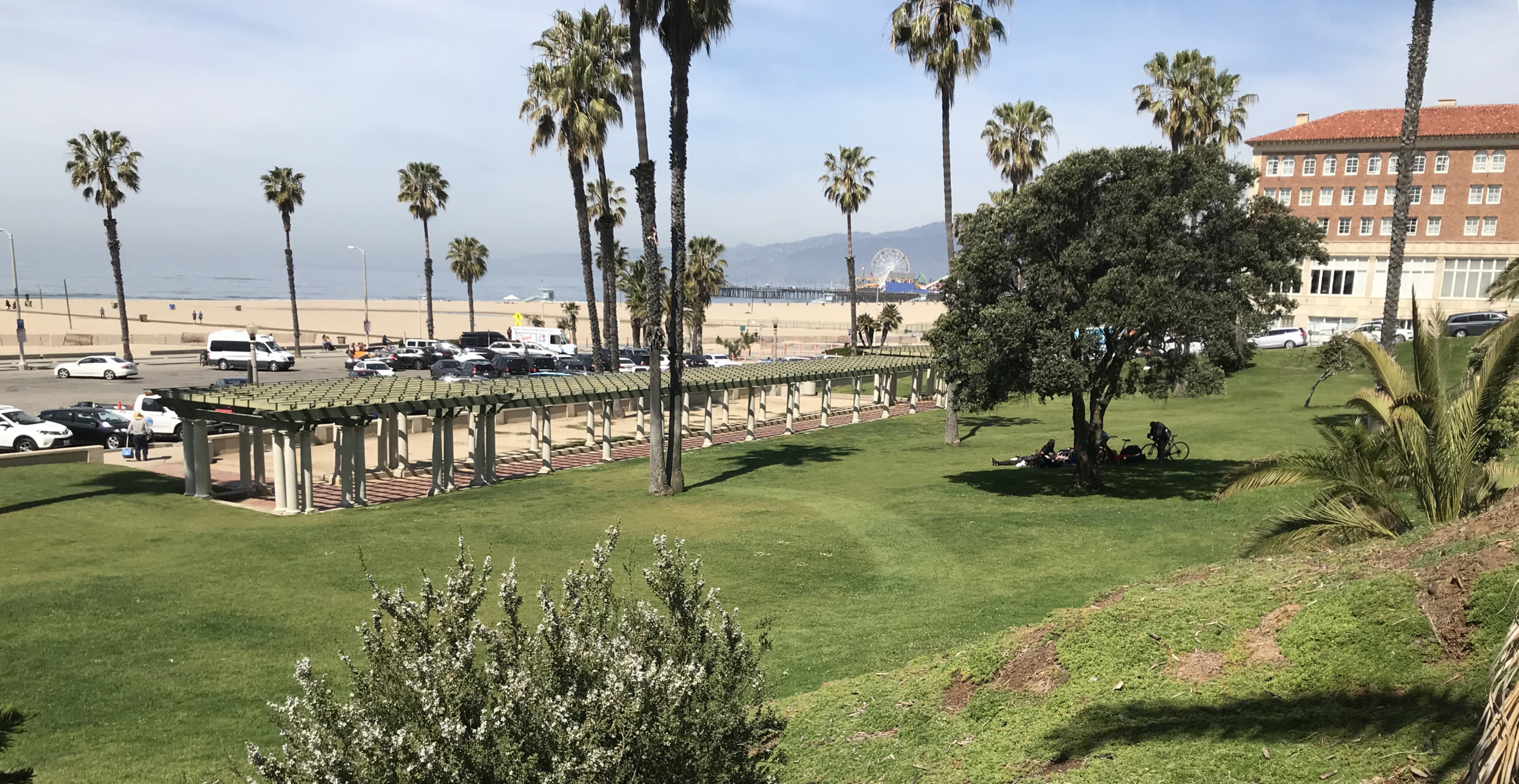
This stop is at the northwest corner of Crescent Bay Park, providing a view of both the park and the beach. We encourage you to wander the park to take a look at the 1912 pergola and other park features.
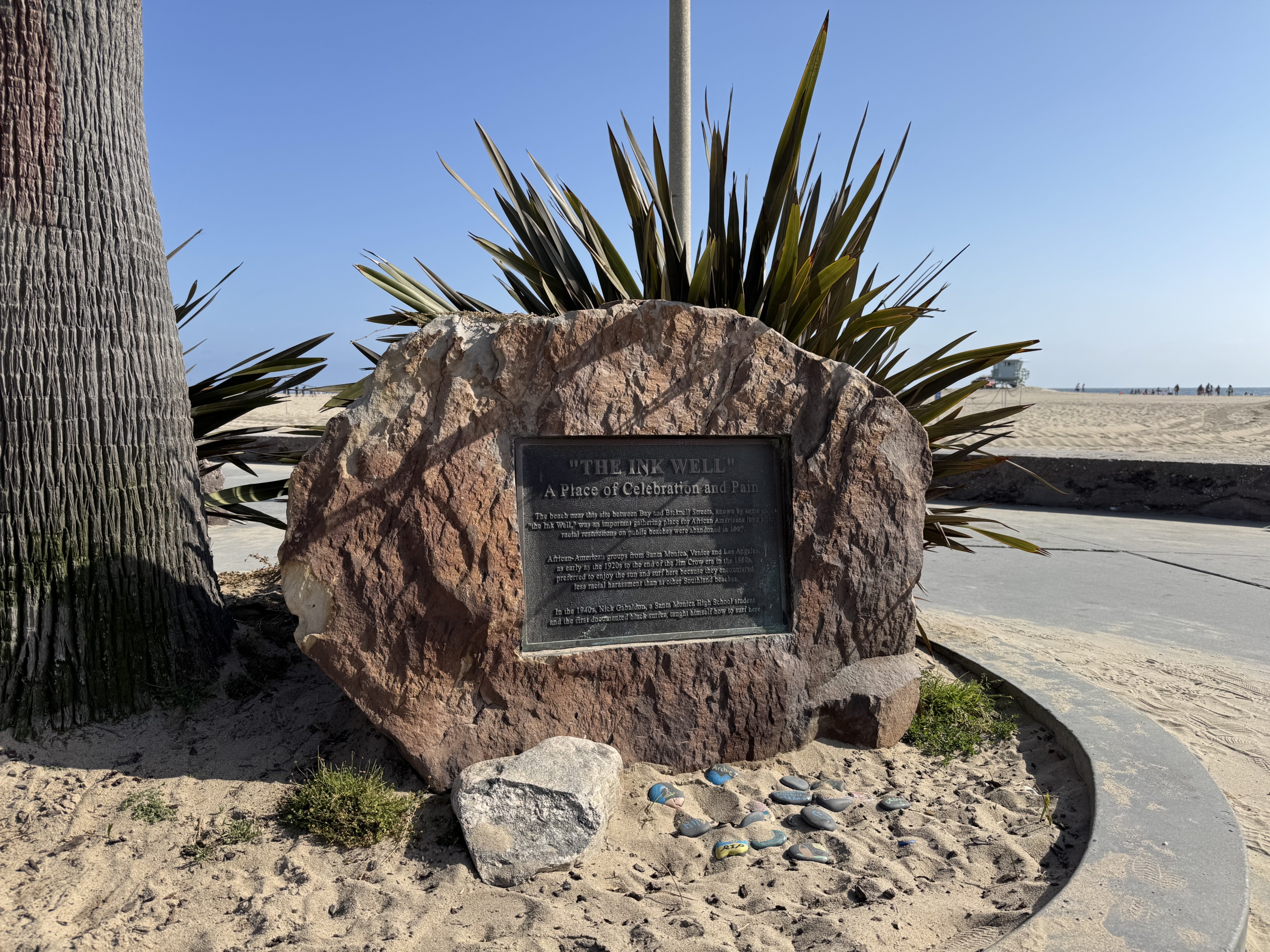
This marker is mounted on a low rock next to a palm tree along the beach path at the foot of Bay Street.
The tour route continues down the beach path so the view of Casa Del Mar from here is of the ocean-facing, rear elevation of the hotel. It is worth taking a walk around the north side of the building to see the front entrance at 1910 Ocean Way and walk into the beautiful lobby.
Take a moment to look down and see all the elements of this artwork that are embedded in the walkway using a variety of materials. The zig zag path up to Ocean Way and the gate at the west edge overlooking the storm drain outfall are part of the art work.
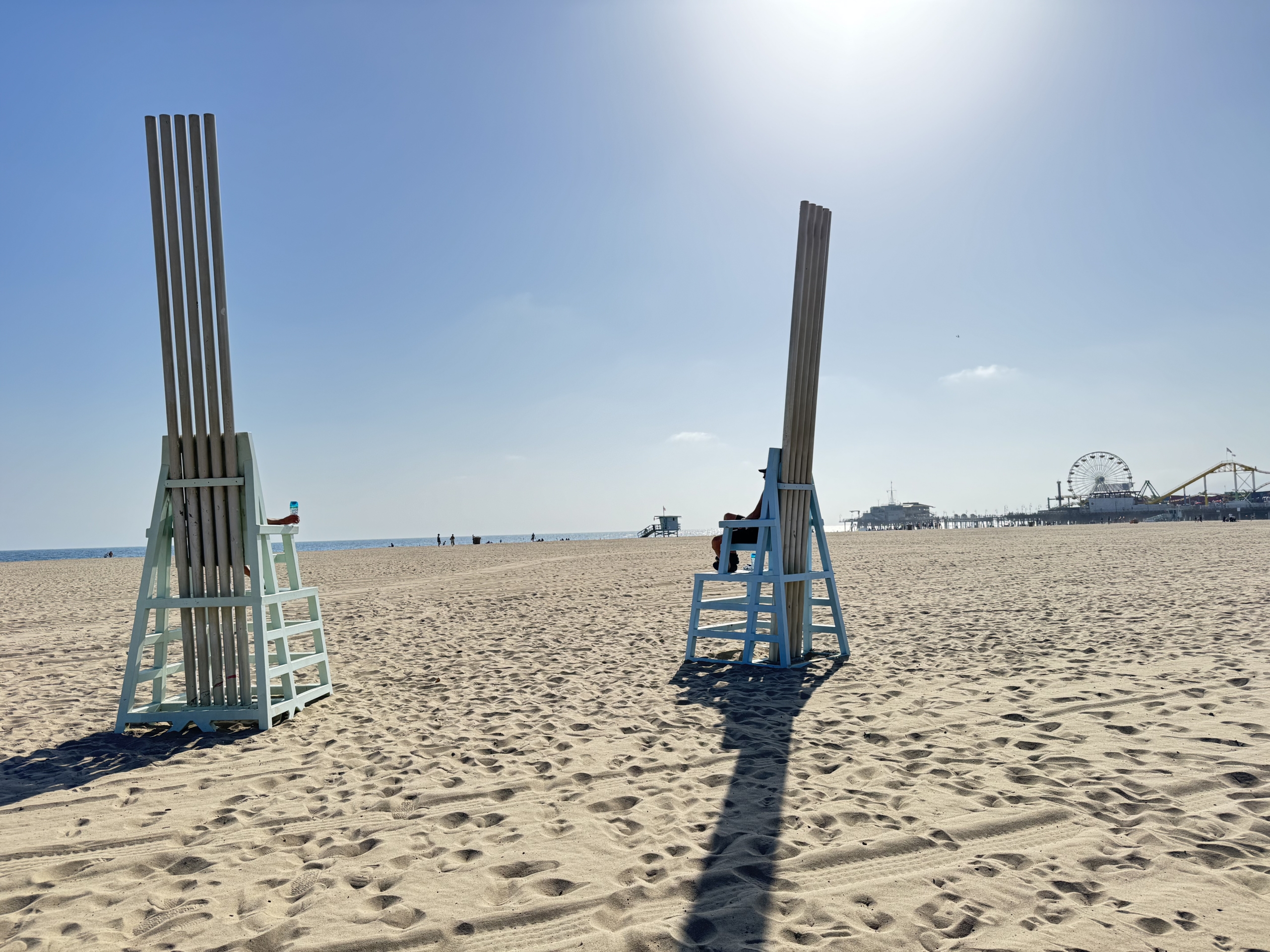
Don’t just look at the Singing Beach Chairs, take a seat!
The Purser Apartments are at 1659 Ocean Front Walk.
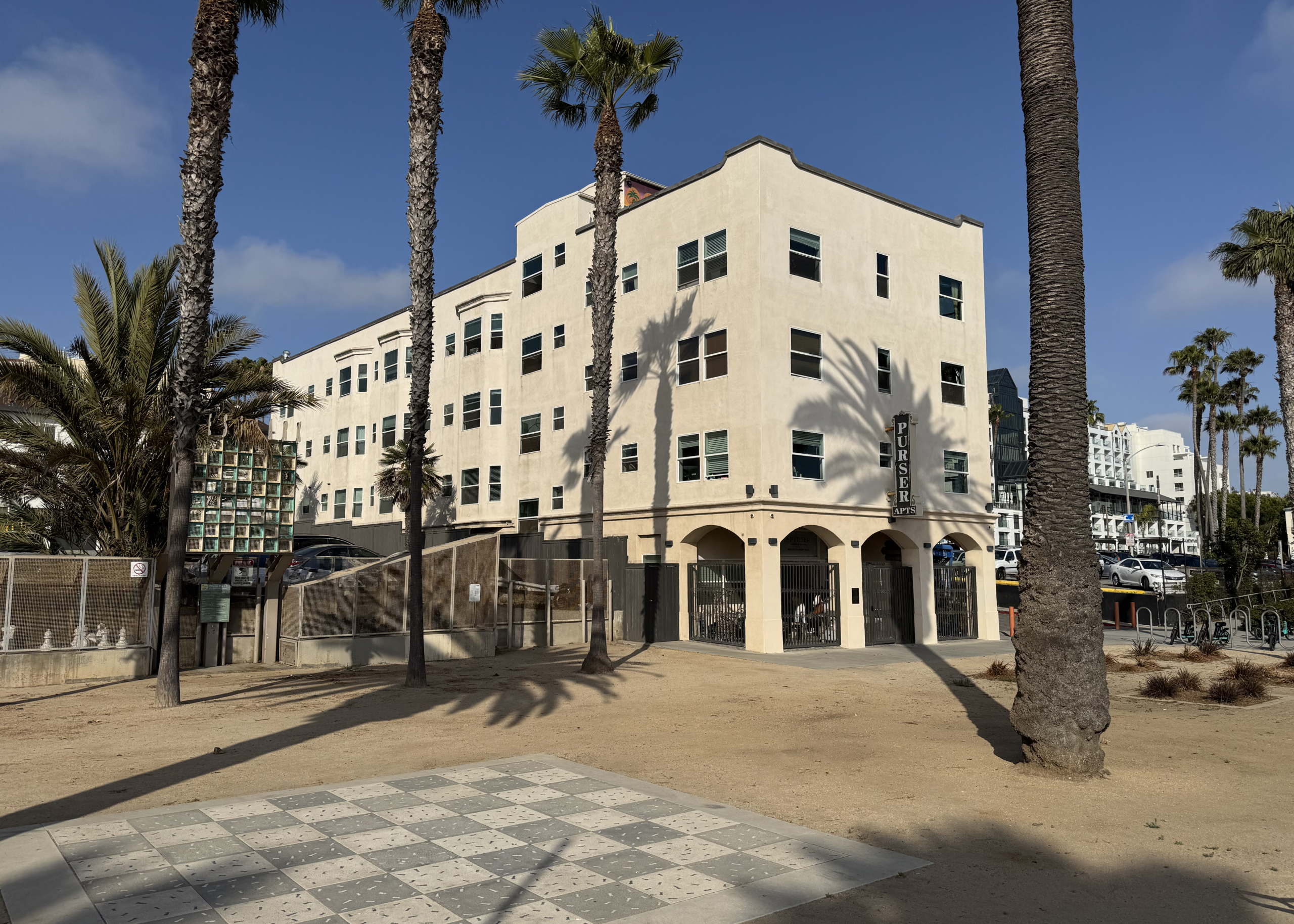
Muscle Beach is directly across from the Purser Apartments.
The Lifeguard Station is at 1642 Ocean Front Walk, adjacent to Muscle Beach.
The volleyball courts adjacent to the pier were more expansive before the lifeguard station was built, but several other volleyball courts have since been added along the public beach.
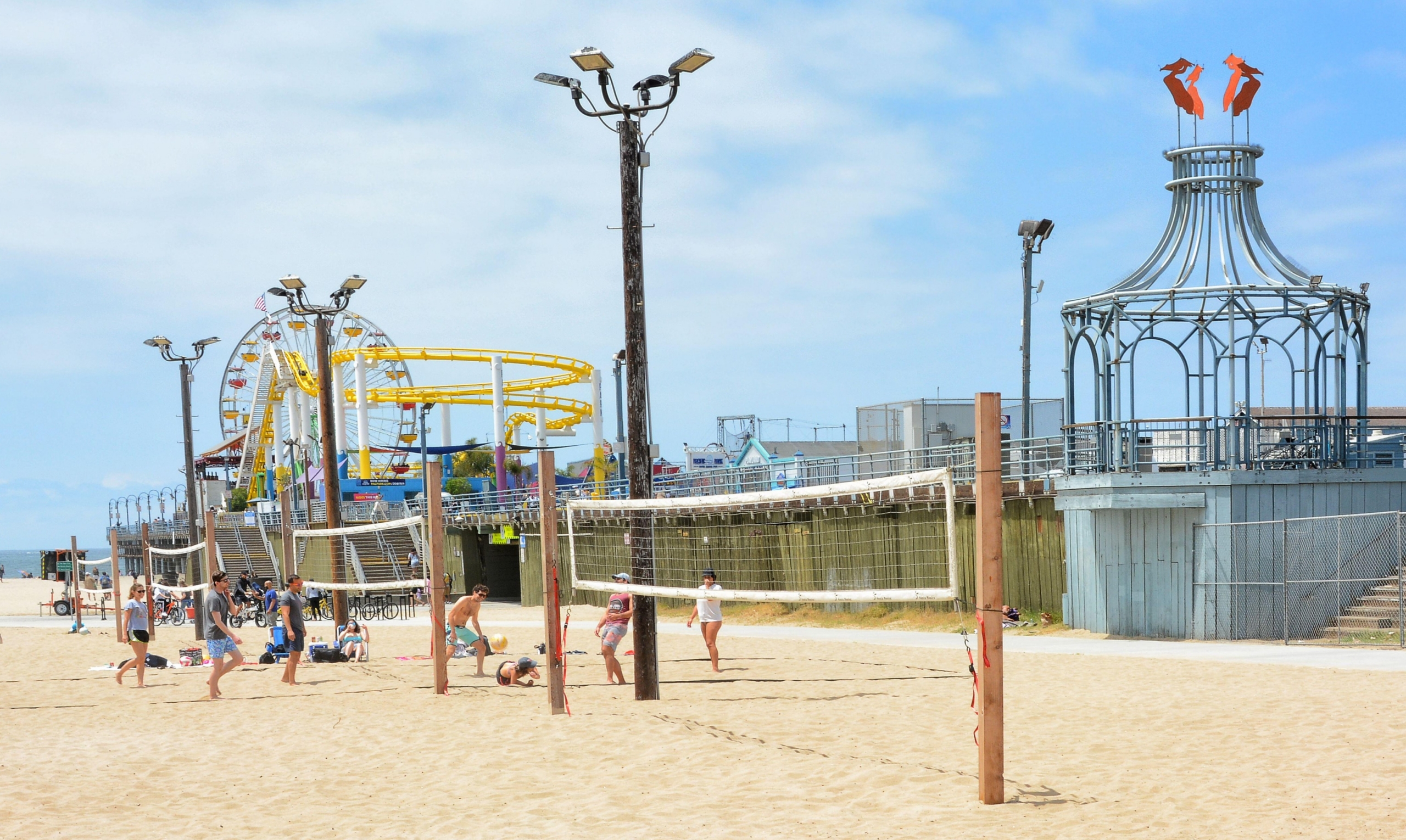 Photo: Steve Cukrov / Alamy
It is definitely worth a few minutes to walk into the Looff Hippodrome and take a ride on the carousel.
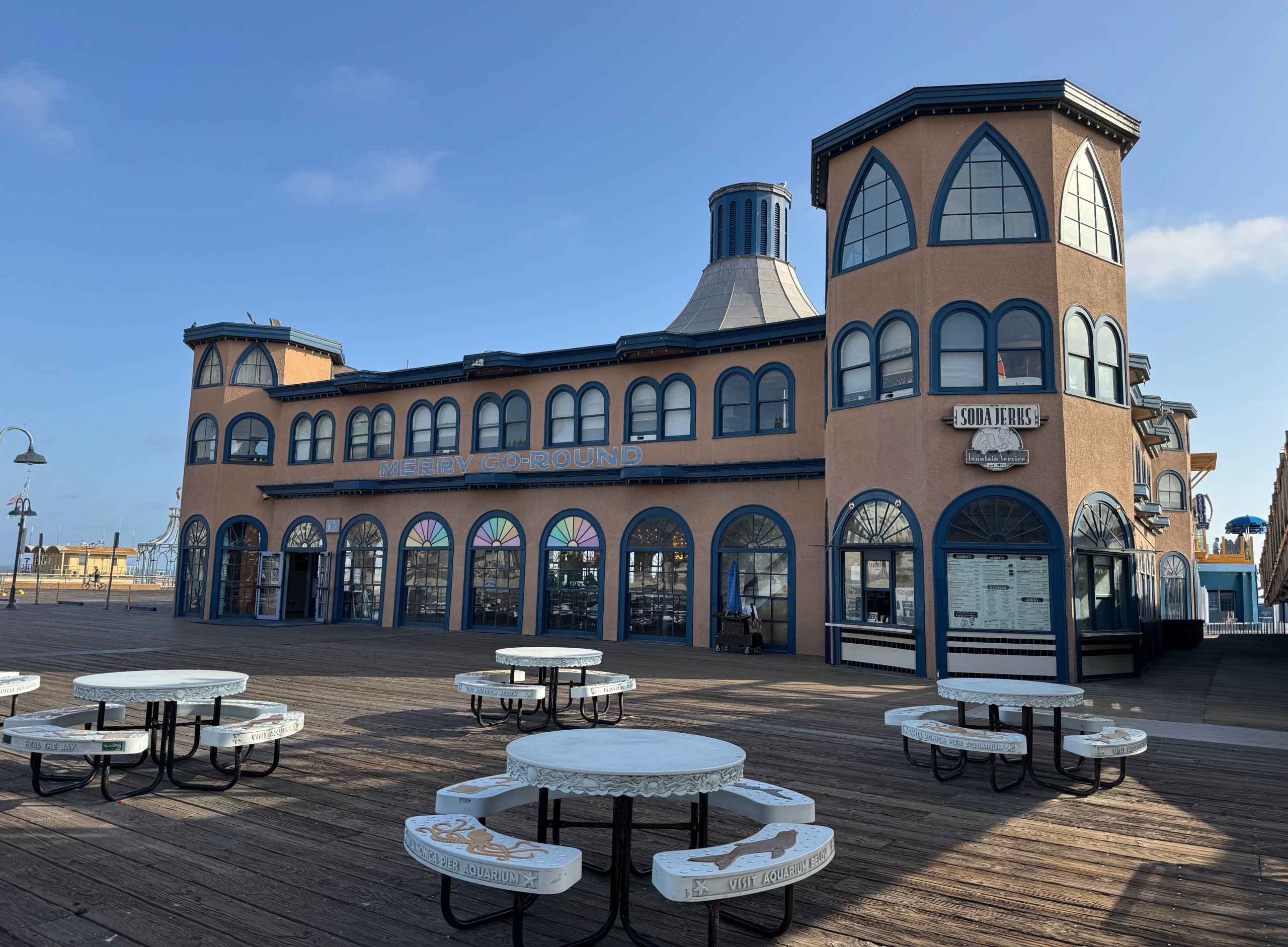
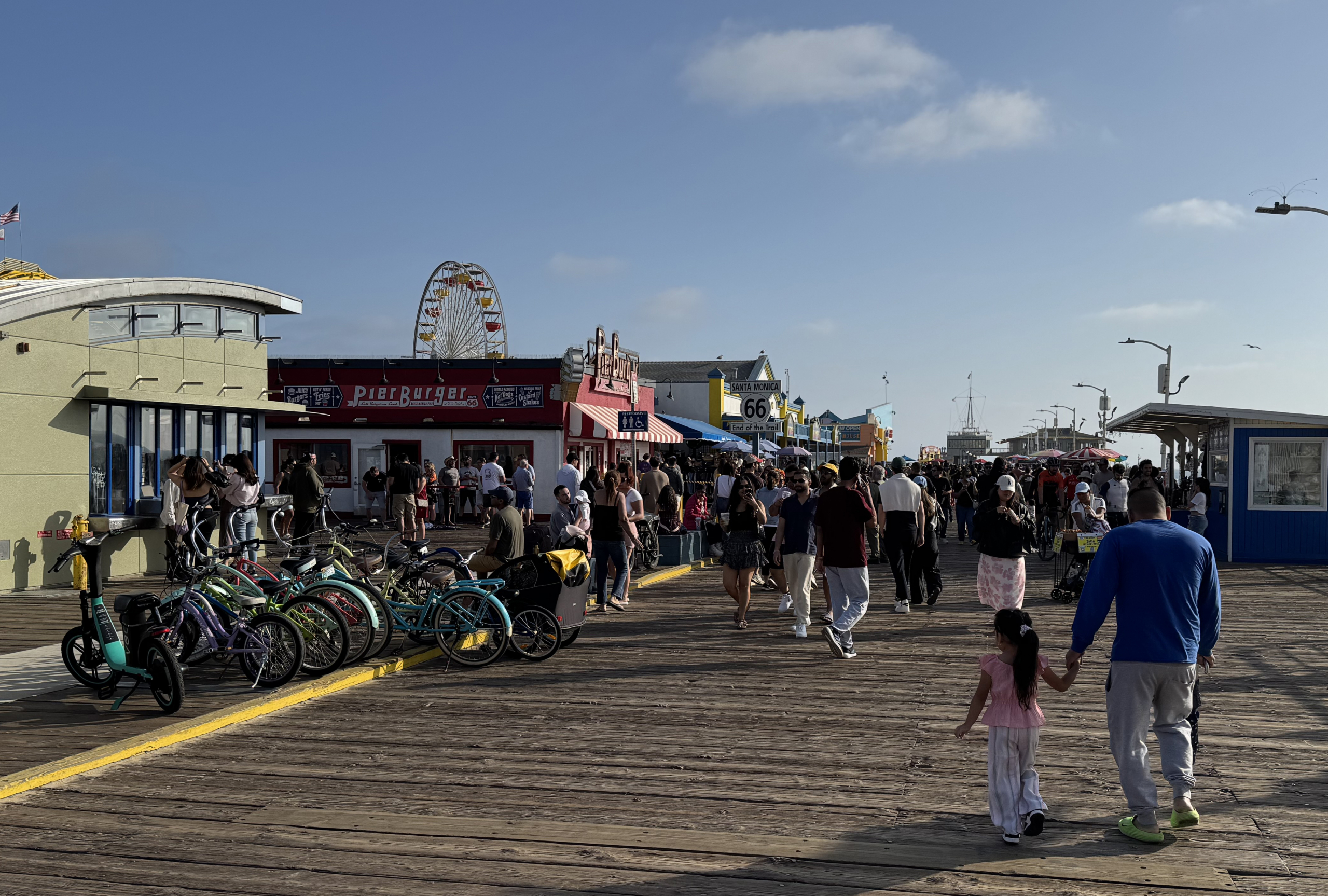
This stop brings you a little further down the pier. We encourage you to explore, take a ride in Pacific Park, or go all the way to the end to see where people fish and to take in views of the ocean. While you are looking out from the end of pier, see if you can spot some of the remaining vestiges of the old breakwater’s rocks popping above the surface of the waves.
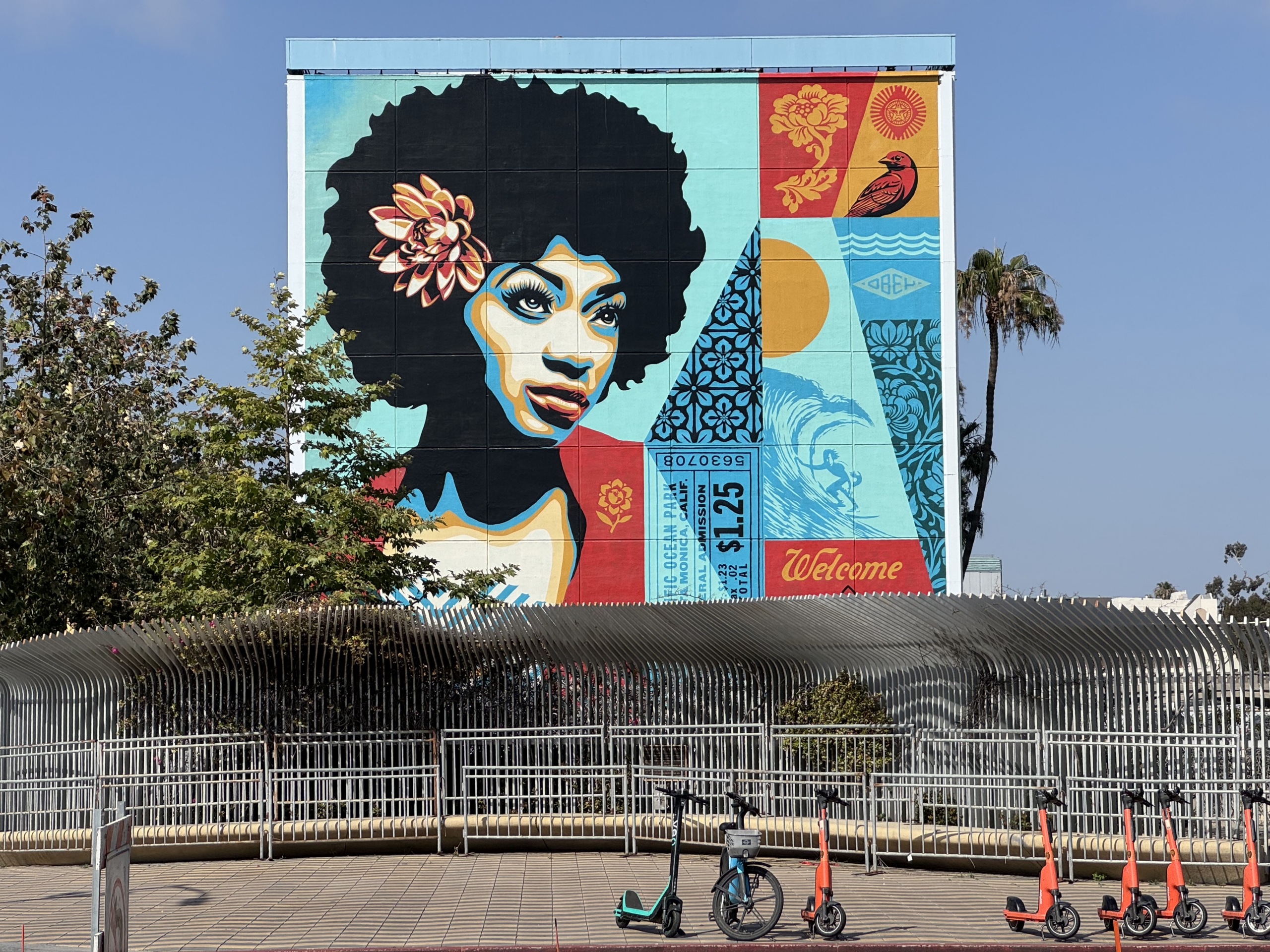
The mural is across Ocean Avenue from this stop, which we felt was the best vantage point.
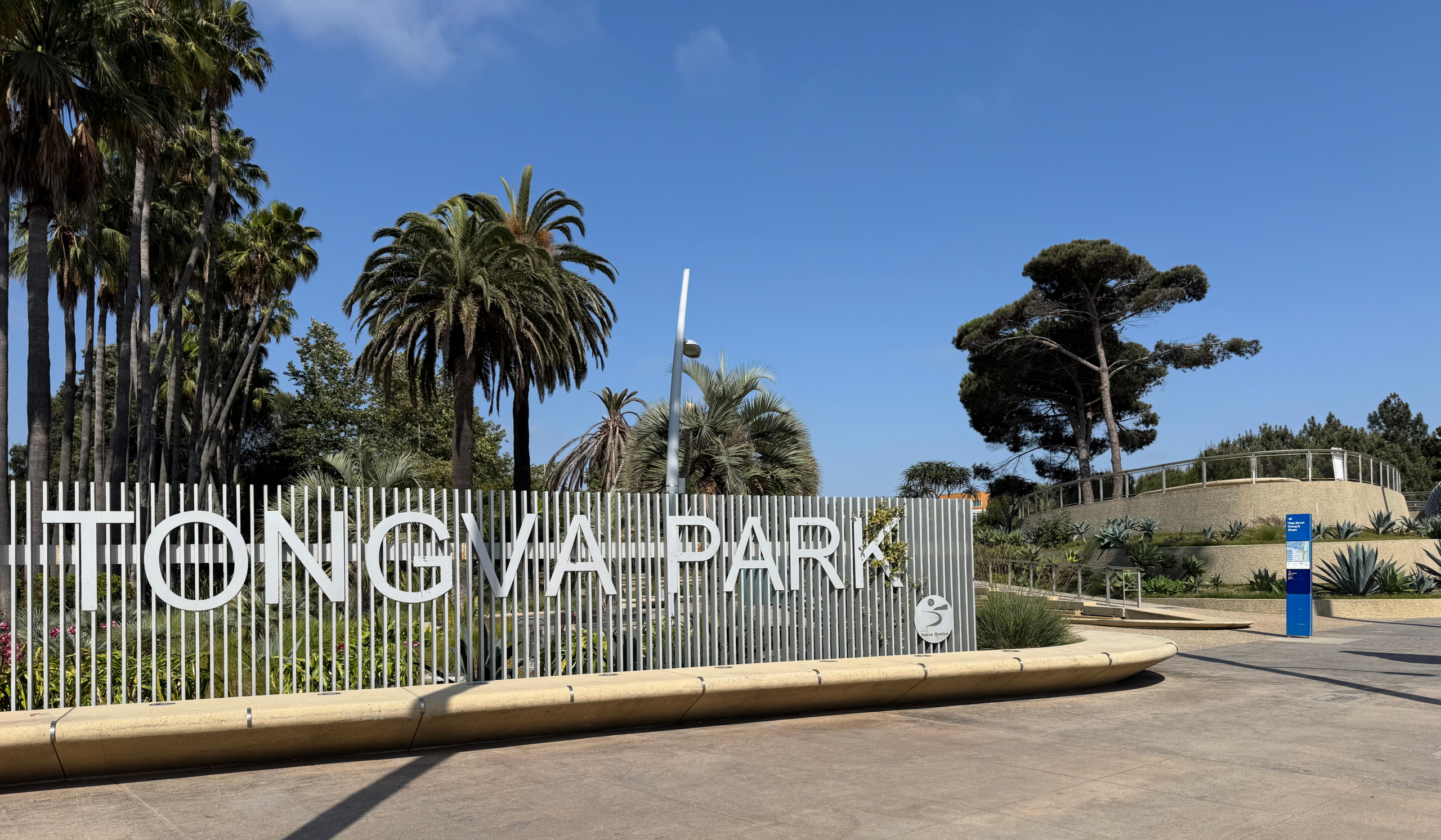
This stop is partway into the park. From here you can walk up Observation Hill to take in the view, or meander and discover other park features.
This stop is right at the front entryway of City Hall, 1685 Main Street, but you undoubtedly noticed the building’s grandeur from the long view as you walked up from Tongva Park. If City Hall is open, walk inside the lobby to see the murals, which are located on the walls on either side of the entryway.
This stop is in front of Chain Reaction. We hope you also noticed the monumental views of the Santa Monica Civic Auditorium just beyond it as you walked from City Hall.
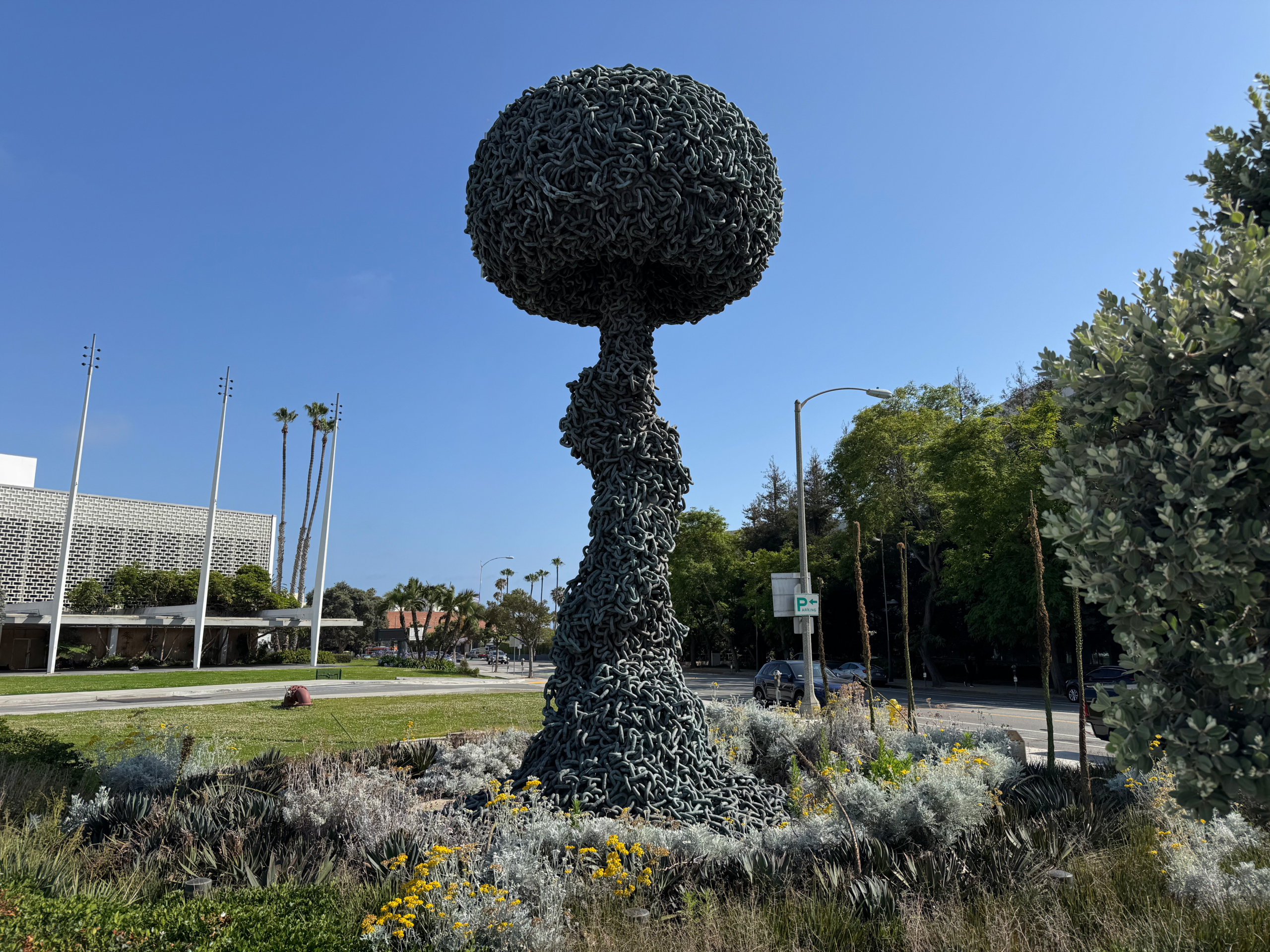
This the last stop on the tour, just a few steps from the beginning. You are standing at the foot of the red carpet where the limousines dropped off movie stars for the Academy Awards in the 1960s.
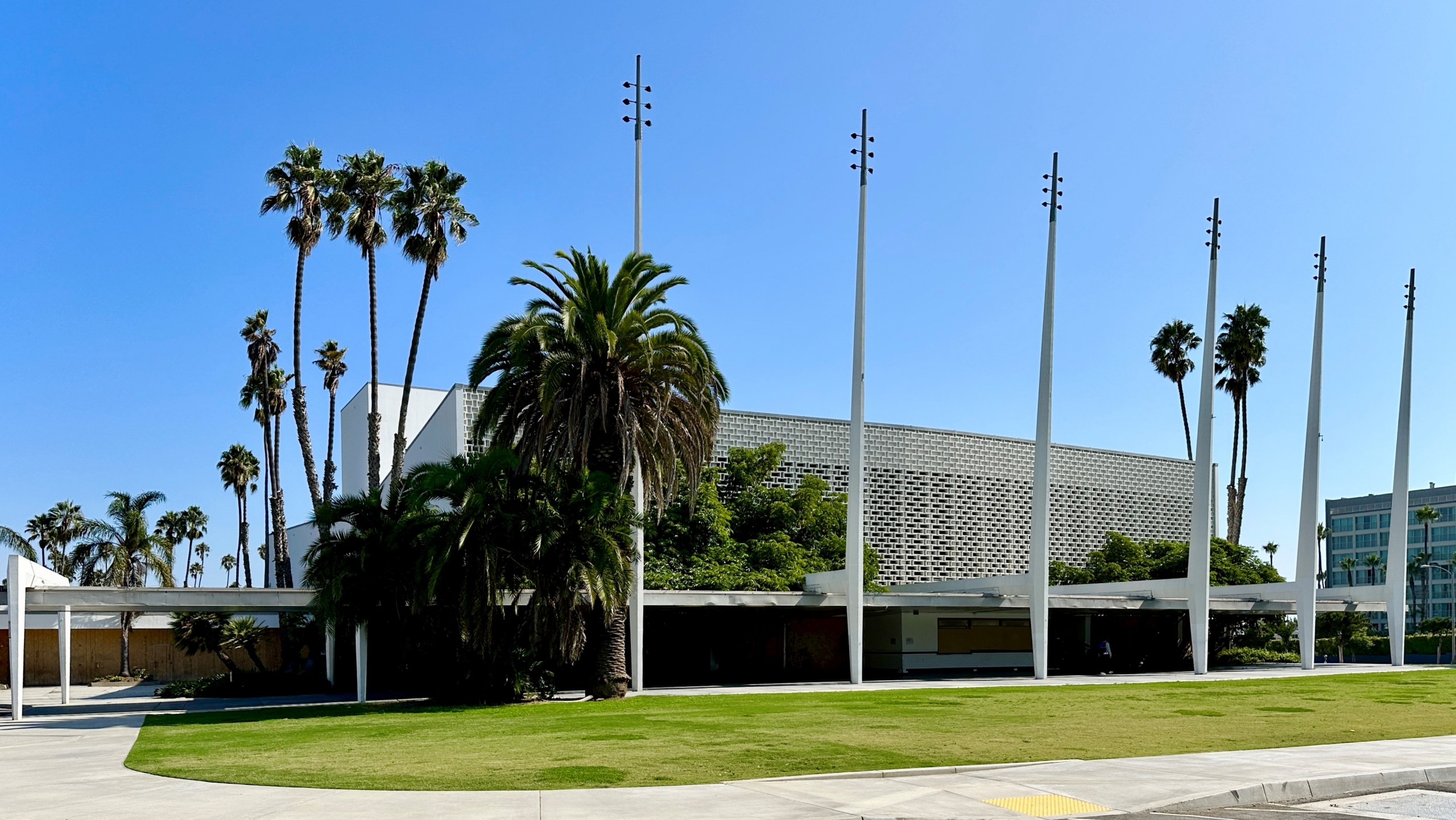 Photo: Stephen Schafer